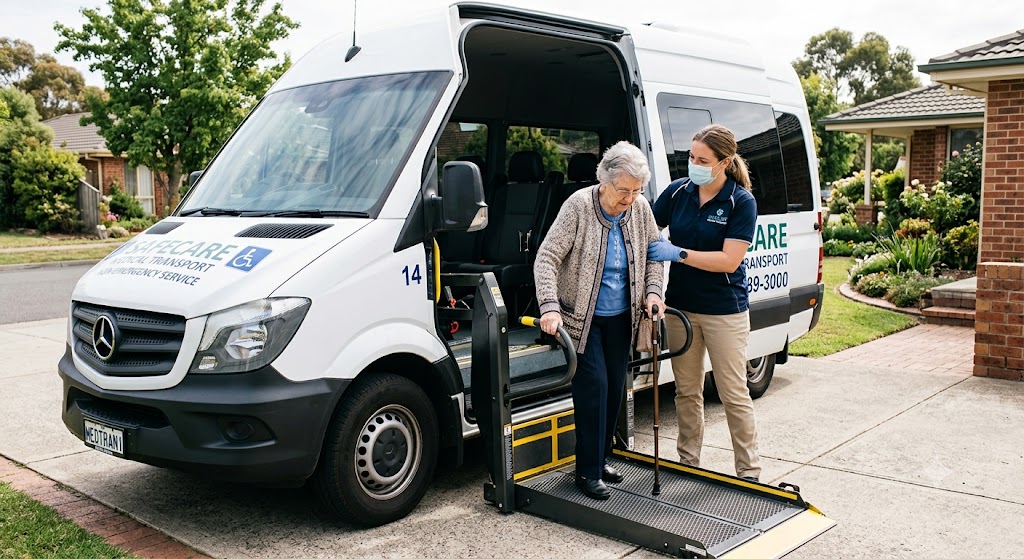
Getting to medical appointments can become challenging when you have limited mobility, ongoing treatments, a disability, or no reliable transportation option. Missing doctor visits, therapy sessions, dialysis treatments, or follow-up appointments can negatively affect your health and recovery.
Many patients and caregivers ask, “How do I get transportation for medical appointments?” The answer depends on your medical condition, mobility needs, location, and the level of assistance required. Options may include family assistance, public transportation, rideshare services, or professional non-emergency medical transportation (NEMT) designed specifically for patients who need safer and more supportive travel.
For individuals who need wheelchair access, stretcher transportation, door-to-door assistance, or reliable recurring rides, professional medical transportation services can provide a safer solution. Patients throughout Palm Coast, Flagler County, Volusia County, St. Johns County, Daytona Beach, St. Augustine, Orlando, and surrounding Florida communities can benefit from specialized transportation designed around their healthcare needs.
Short Answer: How Do I Get Transportation for Medical Appointments?
You can get transportation for medical appointments through several options, including family members, community programs, insurance-supported transportation, or professional medical transportation providers.
If you need assistance because of mobility limitations, wheelchair use, recovery after surgery, or ongoing medical treatments, non-emergency medical transportation (NEMT) is often the most appropriate choice. These services provide accessible vehicles, trained drivers, and door-to-door support to help patients safely reach healthcare facilities.
How Do I Get Transportation for Medical Appointments?
How Do I Get Transportation for Medical Appointments if I Have Limited Mobility?
Patients with mobility challenges may require more than a standard ride. Professional medical transportation services offer different solutions depending on the level of assistance needed.
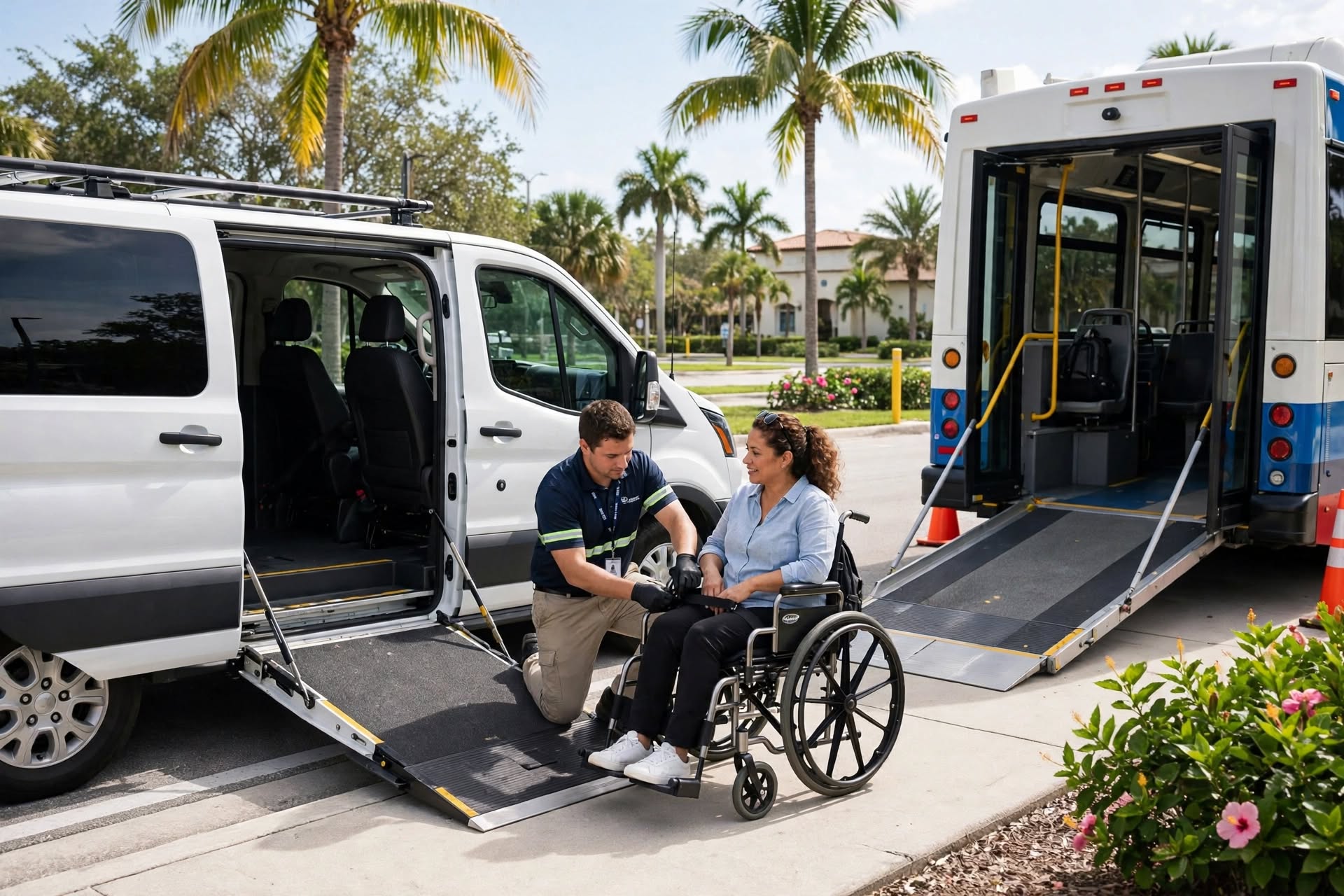
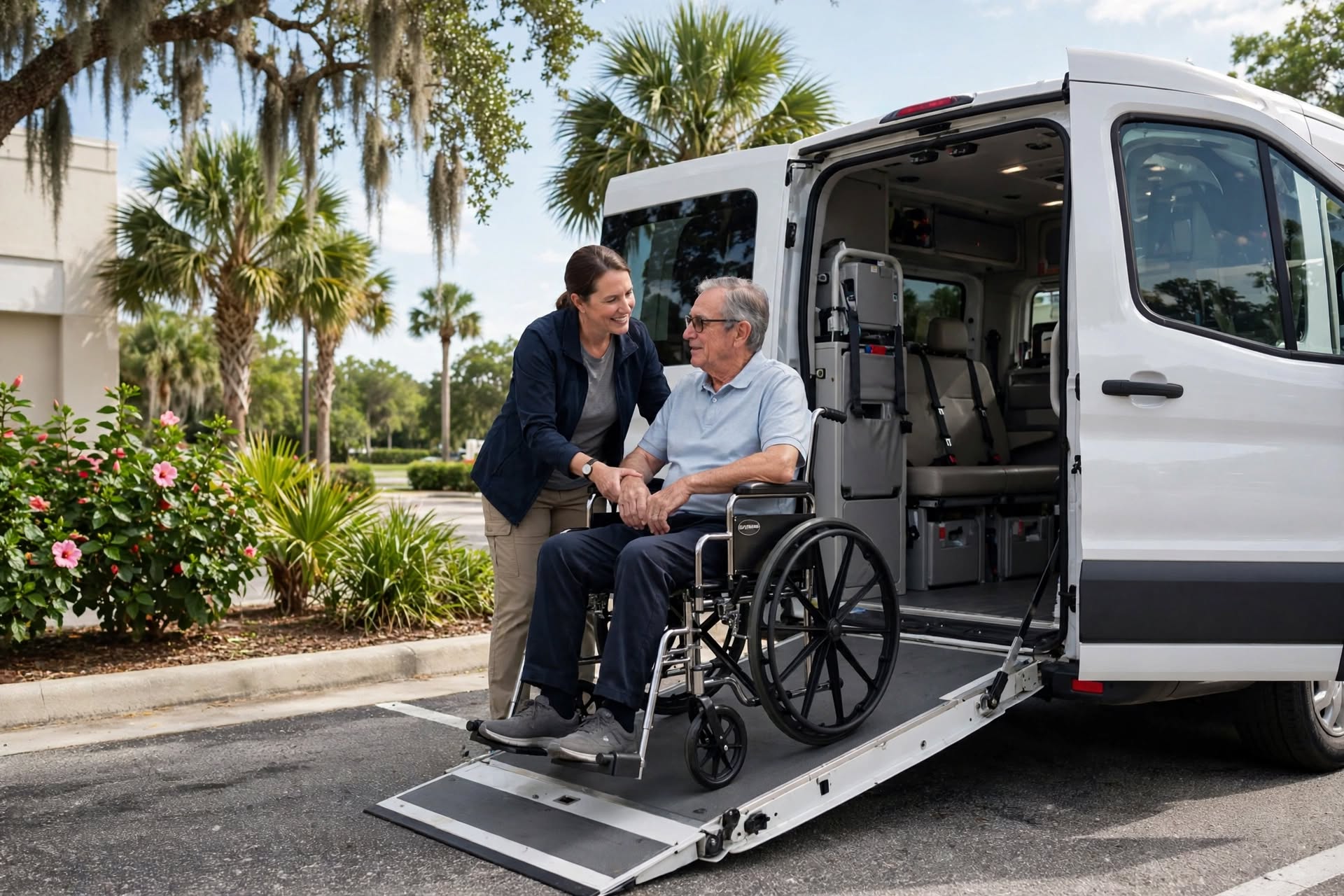
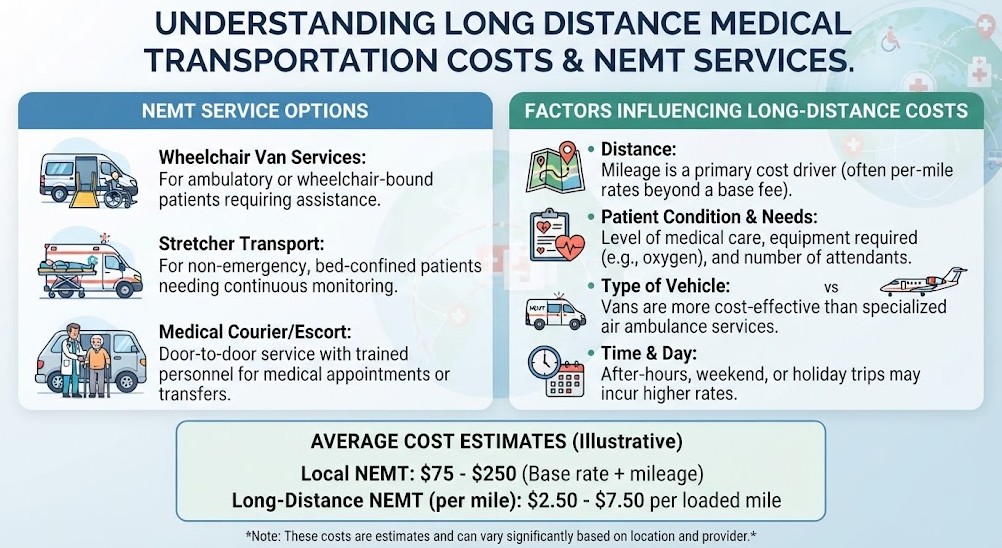
Wheelchair Transportation
Wheelchair transportation is designed for individuals who cannot safely transfer into a standard vehicle. These vehicles include accessibility features such as wheelchair ramps, lifts, and securement systems to ensure a comfortable ride.
This option is commonly used for:
- Doctor appointments
- Specialist visits
- Physical therapy
- Dialysis treatments
- Hospital follow-ups
Stretcher Transportation
Stretcher transportation is intended for patients who cannot sit upright safely during travel. It provides specialized support for individuals recovering from surgery, injuries, or medical conditions requiring additional assistance.
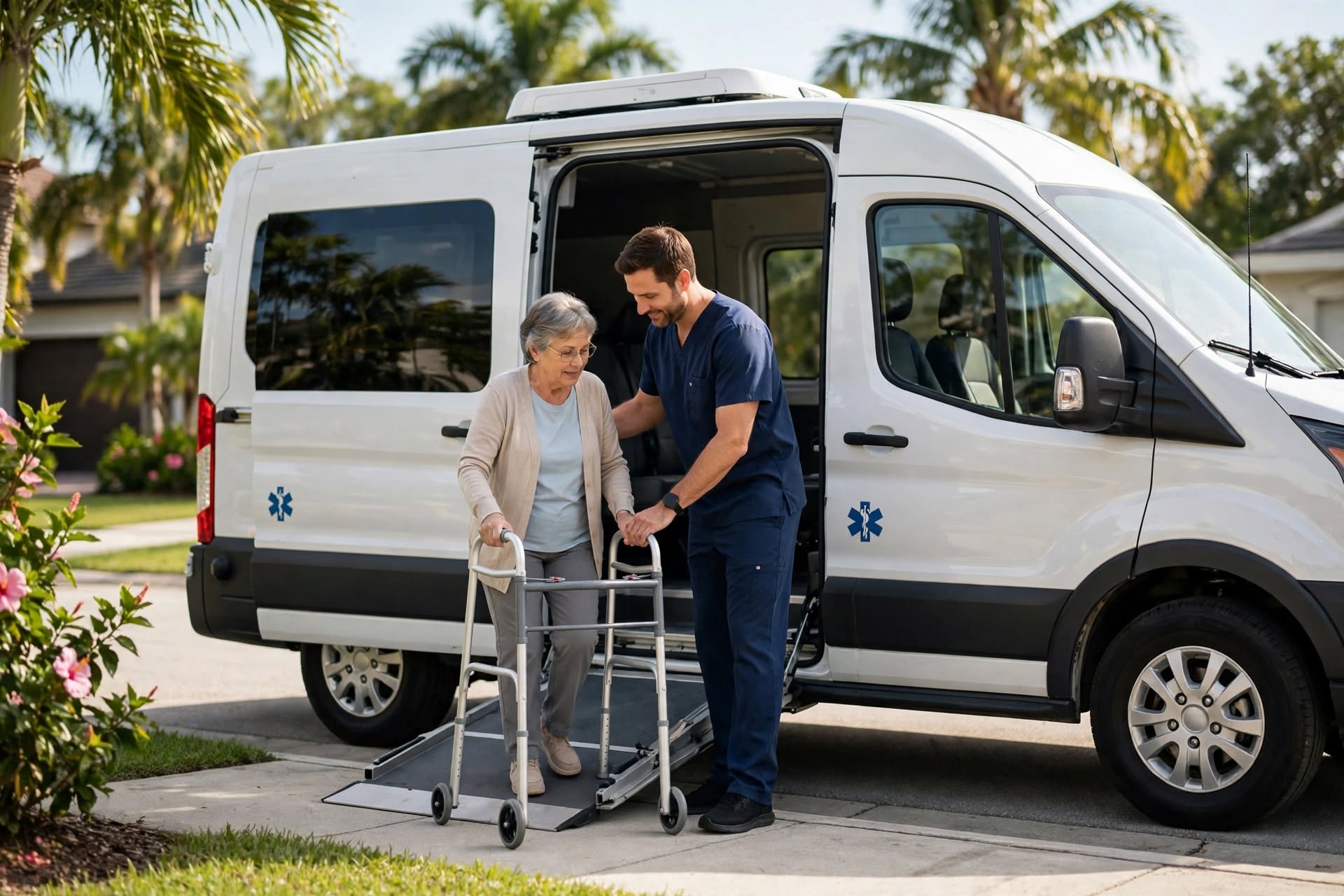
Ambulatory Transportation With Driver Assistance
Some patients can walk but still need help entering and exiting a vehicle. Ambulatory transportation provides additional support while maintaining independence.
Door-to-Door Transportation
Unlike regular transportation services, medical transportation often includes assistance from the pickup location to the vehicle and from the vehicle to the healthcare facility.
Choosing the Right Medical Transportation Service
Selecting the right provider is important for safety, comfort, and reliability. A quality medical transportation service should offer:
- Licensed and insured transportation
- Professionally trained drivers
- Clean and accessible vehicles
- Wheelchair and stretcher options
- Flexible scheduling
- One-time and recurring appointment transportation
- Knowledge of local medical facilities
A reliable provider understands that medical appointments often involve strict schedules. Arriving late can cause missed treatments or unnecessary stress, especially for patients receiving regular care.
What Is Non-Emergency Medical Transportation (NEMT)?
Non-emergency medical transportation (NEMT) is a specialized transportation service for patients who need assistance getting to healthcare appointments but do not require emergency ambulance services.
NEMT bridges the gap between traditional transportation and emergency medical care by providing safe, accessible rides for people with medical or mobility needs.
When Should You Use NEMT Instead of an Ambulance?
NEMT is commonly used for:
- Routine doctor visits
- Specialist appointments
- Dialysis treatments
- Chemotherapy appointments
- Radiation therapy
- Physical therapy
- Rehabilitation appointments
- Hospital discharge transportation
- Outpatient procedures
An ambulance is designed for medical emergencies, while NEMT focuses on safe transportation for scheduled healthcare needs.
Who Benefits Most From Non-Emergency Medical Transportation?
NEMT can help:
- Seniors who need transportation assistance
- Individuals with disabilities
- Wheelchair users
- Patients recovering from surgery
- People managing chronic conditions
- Patients traveling longer distances for medical care
How to Get Transportation for Medical Appointments
Step 1: Identify Your Medical Transportation Needs
Before booking transportation, determine the type of assistance required.
Consider whether you:
- Walk independently
- Need walking assistance
- Use a wheelchair
- Require stretcher transportation
- Need a caregiver to accompany you
Understanding your needs helps ensure the correct vehicle and support are arranged.
Step 2: Choose the Appropriate Vehicle
Different medical situations require different transportation options.
Examples:
- Ambulatory transportation for patients who can walk
- Wheelchair-accessible vehicles for wheelchair users
- Stretcher transportation for patients who cannot sit upright
Step 3: Schedule Your Ride Early
Medical transportation should be scheduled as early as possible, especially for recurring appointments.
Early booking helps ensure:
- Vehicle availability
- Proper accessibility equipment
- On-time arrival
- Coordinated return transportation
Step 4: Share Important Appointment Details
When booking transportation, provide:
- Pickup location
- Appointment time
- Healthcare facility address
- Return trip requirements
- Mobility equipment details
- Caregiver information
Step 5: Prepare for Your Trip
Before your ride arrives, prepare:
- Insurance information
- Medical paperwork
- Medication list
- Mobility devices
- Identification documents
Being prepared helps make the transportation process smoother.
Comparison Table: Medical Transportation Options
| Transportation Option | Best For | Assistance Level | Accessibility | Best Choice For |
|---|---|---|---|---|
| Family or Friends | Routine visits | Low | Varies | Independent patients |
| Public Transportation | Short local trips | Low | Limited | Mobile individuals |
| Taxi/Rideshare | Quick appointments | Minimal | Limited | Independent adults |
| Ambulatory Medical Transportation | Walking assistance | Moderate | Yes | Seniors and recovering patients |
| Wheelchair Transportation | Wheelchair users | High | Fully Accessible | Mobility-impaired patients |
| Stretcher Transportation | Non-ambulatory patients | Maximum | Specialized | Bed-confined patients |
Medical Appointments That Commonly Require Professional Transportation
Professional medical transportation is often used for appointments that require consistent, dependable travel.
Dialysis Treatments
Patients receiving dialysis often need transportation multiple times per week. Reliable scheduling helps prevent missed treatments.
Chemotherapy and Radiation Appointments
Cancer treatments can be physically exhausting. Comfortable transportation reduces additional stress.
Physical Therapy Sessions
Patients recovering from injuries or surgeries may require transportation while mobility is limited.
Specialist Visits
Patients traveling to specialists may need transportation assistance when appointments are outside their local area.
Hospital Discharge Transportation
After hospitalization, patients may not be able to safely drive themselves home. Medical transportation provides a safer transition.
Why Professional Medical Transportation Is Safer Than Standard Ride Services
Standard transportation options may not provide the assistance many patients require.
Professional medical transportation offers:
- Door-to-door assistance
- Safe vehicle entry and exit
- Wheelchair and mobility equipment support
- Trained drivers
- More reliable scheduling
- Comfortable travel for seniors and patients
Unlike regular rides, medical transportation providers understand the unique needs of healthcare passengers.
What to Look for in a Medical Transportation Provider
When selecting a provider, consider:
Licensed and Insured Service
Proper licensing and insurance demonstrate professionalism and accountability.
ADA-Compliant Vehicles
Accessible vehicles help ensure safe transportation for wheelchair users and individuals with mobility limitations.
Experienced Drivers
Drivers should understand patient assistance, safety procedures, and respectful communication.
Local Knowledge
A provider familiar with Palm Coast and surrounding Florida medical facilities can help patients reach appointments efficiently.
Frequently Asked Questions
How do I get transportation for medical appointments if I use a wheelchair?
You can schedule wheelchair-accessible medical transportation with vehicles equipped with ramps, lifts, and secure wheelchair systems.
Can I schedule recurring transportation for dialysis?
Yes. Many medical transportation providers offer recurring schedules for dialysis and other ongoing treatments.
Is non-emergency medical transportation covered by insurance?
Coverage depends on your insurance plan, location, and eligibility requirements. Some programs may provide transportation benefits.
How far in advance should I book medical transportation?
It is recommended to schedule transportation as early as possible, especially for recurring appointments or specialized vehicle needs.
Can a caregiver ride with me?
Many providers allow caregivers or companions to accompany patients. Confirm this when scheduling.
Can transportation be arranged after outpatient surgery?
Yes. Medical transportation can help patients safely travel home after outpatient procedures when driving is not recommended.
Conclusion
Finding reliable transportation for medical appointments does not have to be stressful. The right transportation option depends on your mobility level, medical condition, and type of appointment.
For seniors, wheelchair users, patients recovering from surgery, and individuals receiving ongoing treatments, professional non-emergency medical transportation provides a safer and more comfortable solution than traditional transportation options.
Whether you need wheelchair transportation, ambulatory assistance, stretcher transportation, hospital discharge transportation, or recurring medical rides, choosing an experienced provider serving Palm Coast and surrounding Florida communities can help ensure you arrive safely, comfortably, and on time for every important healthcare appointment.